Whoa, that felt off. Logging into OKX has become routine for me, but it still surprises. Here’s the thing—small hiccups in login flow often cascade into far bigger problems down the line. Initially I thought the platform’s onboarding was straightforward, but then I saw a colleague lose access mid-trade because of a misconfigured 2FA and it changed how I approach redundancy and recovery. So I’m writing this from real experience and somethin’ of a practical bias.
Okay, so check this out—first impressions matter. My instinct said “simplify,” and yet every simplification has trade-offs. On one hand, reducing friction speeds trades and keeps you nimble; on the other hand, less friction can mean less security. Honestly, that tension bugs me. Traders who care only about speed sometimes skip backup codes and that’s where panic happens.
Short note: Wow, bring backups. Seriously. A quick checklist helps. Use a password manager. Enable a hardware wallet for Web3 interactions when possible.
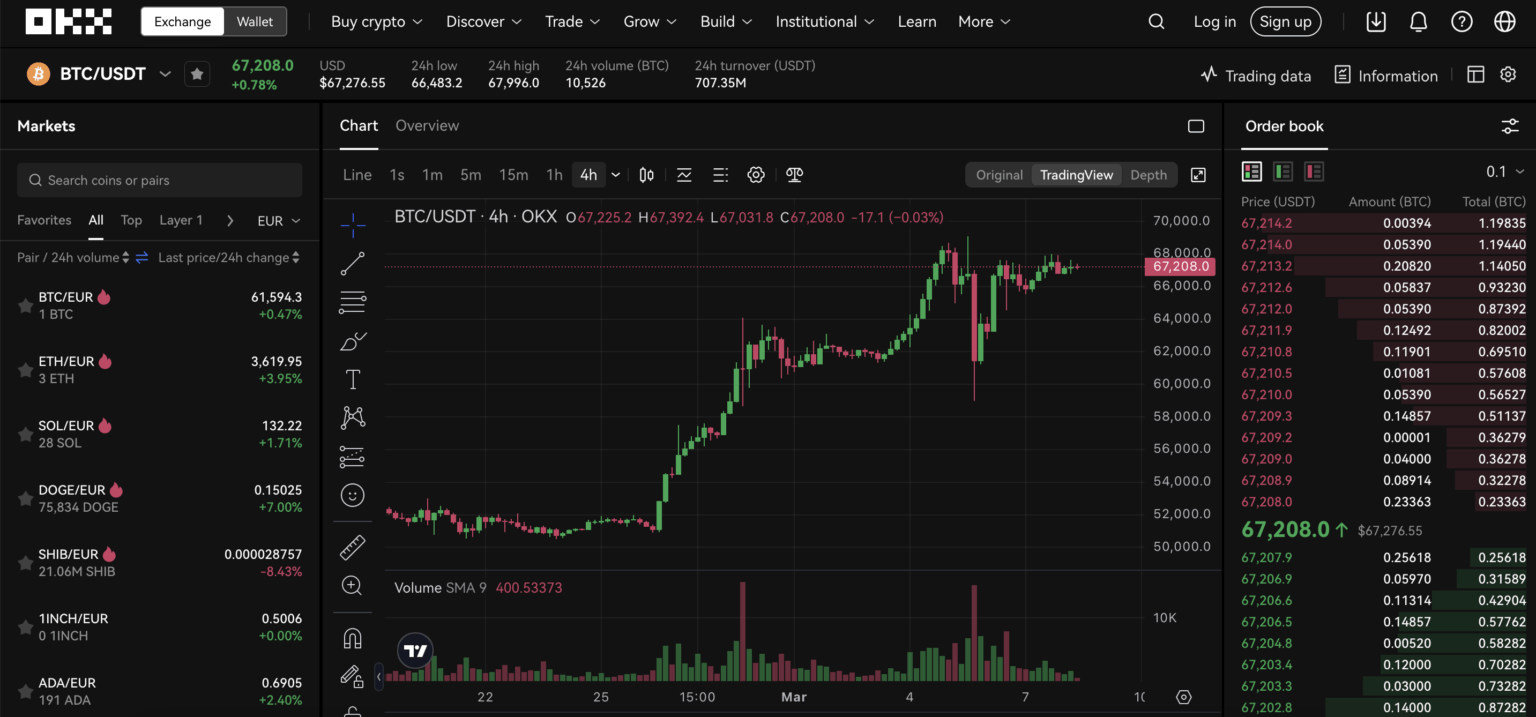
How to log in safely (and keep trading)
When you hit the OKX login page, you have a few paths: centralized account with KYC, Web3 wallet connection, or API key access for bots and algo trading. Each path has different risks and recovery options. For the centralized KYC route, expect identity verification, document uploads, and sometimes IP-based checks. For Web3 wallet access you sign with your private key or wallet extension and there’s no OKX support for private key recovery—so store seeds offline. For automated trading, API keys give power but also present an access vector that if leaked can drain funds or execute undesired orders.
Here’s a concrete step-by-step I use. First, confirm you’re on the real domain and not a phishing page—check the cert, the URL, and the favicon. Then, enable two-factor authentication (use an app, not SMS if you can). Back up your 2FA codes immediately. Save recovery phrases offline and in more than one physical location. Consider a hardware wallet for withdrawals or Web3 signing—that’s extra insurance. And finally, create API keys with limited permissions for bots; avoid granting withdrawal rights unless absolutely required.
Something felt off about relying only on email confirmations. So I layered on a hardware key for account changes. It was a hassle at first, though actually it prevented one frantic midnight freeze when a password was phished. That memory is why I nag others about multi-layer protection.
Why Web3 on OKX matters (and where to be careful)
OKX blends centralized exchange features with Web3 access—wallet connect, on-chain swaps, and NFT marketplaces. That opens opportunities for DeFi yield, cross-chain bridges, and gas-optimized trades. But Web3 interactions mean you sign transactions and there’s no “forgot password” safety net. My first taste of this felt exhilarating; my second taste reminded me to double-check the contract address before approving tokens. Really, that step alone saves you from rug pulls and malicious approvals.
Initially I thought the bridge looked trustworthy, but then I re-read community audits and spotted inconsistencies. Actually, wait—let me rephrase that: I trusted a bridge because of its branding, and that almost cost me. On one hand the UX streamlines trading across chains; on the other hand, sloppy approvals give contracts permission to move your tokens forever. So treat every approval like handing someone your car keys.
Need a quick login walkthrough?
If you prefer a compact walkthrough or a checklist to follow while logging in, check this resource I commonly recommend: https://sites.google.com/cryptowalletextensionus.com/okx-login-web/ It covers the basics, recovery tips, and links to OKX support channels. Use it as a starting point, then adapt the steps to your own risk tolerance and the ways you trade.
API notes for traders: create distinct keys per bot, rotate keys periodically, whitelist IPs where possible, and monitor logs for strange requests. Margin and derivatives traders should also set withdrawal protections and time delays—these are lifesavers when an account is compromised. I’m biased toward safety; speed is great, but not if you wake up to an empty account.
Regulatory context in the US matters too. KYC and compliance mean you should expect identity checks, and sometimes withdrawals can be delayed for review. That can be frustrating during volatile markets. On the flip side, regulated procedures reduce some forms of fraud, though they don’t stop phishing or contract-level exploits. On one hand regulation gives a layer of recourse; on the other hand it can add friction just when you’re trying to exit a position.
FAQ
Q: I forgot my 2FA—what do I do?
A: First, don’t panic. Follow OKX’s account recovery steps and provide requested verification. If you stored recovery codes offline, use them. If recovery fails, reach out to support with KYC documents; allow time for verification. Meanwhile, lock any connected API keys and monitor linked email for suspicious activity.
Q: Can I use a hardware wallet with OKX Web3 features?
A: Yes—hardware wallets add a strong layer of protection for on-chain actions. Use them to sign transactions and keep seeds offline. Remember that hardware wallets protect keys, not poor approvals—always vet contract interactions before signing.
Q: Is SMS 2FA OK if I live in the US?
A: It’s better than nothing but not ideal. SIM swap attacks exist. Use an authenticator app or hardware security keys for stronger protection. If you must use SMS, pair it with other controls like email alerts and withdrawal whitelists.
I’ll be honest—there’s no perfect setup. My gut says aim for layered defenses and regular reviews. Something as small as an unused API key or an old device still logged in can be an attack vector. Check your sessions periodically. Log out of devices you don’t use. Clean up permissions. These habits feel tedious, though they pay off when things go sideways.
Okay, final thought: learn the recovery steps before you need them. That sounds simple but most people skip it. I’m not 100% sure any single checklist covers everyone, and somethin’ will always surprise you, but a mix of hardware keys, app-based 2FA, well-scoped API keys, and cautious Web3 approvals will get you 90% of the way there. Trade smart, sleep easier, and don’t forget to back things up—twice.