
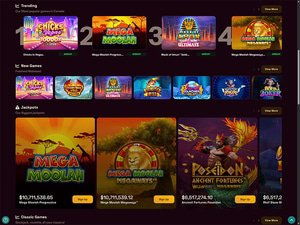
A large casino lobby can make game discovery feel more complicated than it needs to be. The useful approach is to sort games by format, pace, decision-making and money exposure rather than by colourful themes alone. A practical grizzlys quest casino review can help identify the available categories, but readers still need a method for comparing them. This guide explains how Canadian players can assess slots, jackpots, table games, live dealers and less familiar sections while keeping entertainment value separate from assumptions about winning.
Start with the game format, not the title
The quickest way to narrow a casino lobby is to decide what kind of experience you want. Slots generally offer automated play, changing themes and simple controls, although their features can range from traditional three-reel designs to modern mechanics with expanding symbols, bonus rounds or cascading wins. Classic slots may feel easier to understand, while Megaways-style games can create more changing combinations from spin to spin. Neither format should be treated as inherently more profitable; they simply present risk and entertainment differently.
Jackpot games deserve their own category because the prize structure can affect how the game feels. Progressive jackpots may advertise a potentially larger prize that changes over time, whereas fixed-jackpot titles use a defined prize structure. A jackpot label does not explain the likelihood of winning, and a large displayed prize should not be mistaken for evidence that a particular spin is due. Before choosing one, read the pay information, bonus rules and any visible details about qualifying features.
Table and card games are a different proposition because some include decisions rather than purely automated outcomes. Blackjack, roulette, baccarat, poker variations and video poker may appeal to players who prefer familiar rules or a slower pace. However, the presence of decisions does not remove the house edge or guarantee control over results. If the goal is relaxed exploration, begin with the rules and betting ranges, then decide whether the format suits your budget and attention span.
Which categories are easiest to compare?
Use a consistent set of questions whenever you open a new game. First, ask how a round works and how quickly one round follows another. Second, check whether the game includes bonus features, jackpots, side bets or special rounds that change the amount at risk. Third, look for information about paylines, stake controls and the difference between the minimum and maximum available wager. This process is more useful than choosing a game solely because it appears in a trending section.
Search and filtering tools can make a broad catalogue more manageable. Categories such as new games, trending titles, jackpots, exclusive releases, favourites and previously played games are useful for navigation, but they are not quality ratings. Personalised recommendations may reflect browsing history or lobby design rather than a careful assessment of suitability. Treat them as sorting aids. If a title catches your attention, open its information panel before committing money and note whether the controls are clear.
A simple comparison list can prevent the lobby from becoming overwhelming:
- Format: slot, jackpot, table, card, live dealer, game show or arcade-style.
- Pace: manual decisions, automated rounds or streamed interaction.
- Complexity: basic rules or several bonus mechanics and side options.
- Budget fit: available stake controls and the length of play expected.
After making the list, remove anything that does not fit the intended session. A shorter shortlist encourages deliberate choices and reduces the temptation to move rapidly between games.
What changes when a live dealer is involved?
Live dealer games combine digital betting controls with a streamed table and human presenter. Common categories include blackjack, roulette, baccarat, casino poker and game-show formats. They may feel more social and structured than ordinary software games, especially when the table has scheduled rounds. That presentation can also make sessions feel longer or more absorbing, so it is sensible to decide a time and spending limit before joining a table.
Live games should not be judged by the appearance of the studio or the personality of the presenter. Focus instead on the table rules, minimum and maximum stakes, side bets, betting window and pace of play. A table with a low advertised minimum may still become expensive if rounds are frequent or if optional bets are encouraged. Side bets can have different mathematical characteristics from the main wager, so avoid treating them as harmless extras.
Free exploration also has limits. Some slot titles may offer demo play after account creation, while live dealer games generally do not provide conventional free rounds. A short trial can show how controls work, but it cannot establish that a game will produce a particular result or reveal its long-term return through casual observation. For general information about lower-risk gambling principles, the Canadian low-risk gambling guidelines provide a useful public-health reference.
How should unfamiliar game sections be approached?
Game shows and arcade-style titles can look different from traditional casino games, yet the same questions still apply. Identify what counts as a wager, when the outcome is determined and whether additional choices create extra exposure. Animated presentation, prizes shown on screen and rapid rounds can make a product feel like entertainment rather than gambling. The underlying financial decision remains important, so read the rules before assuming the format is simple or low risk.
Provider names can also help with navigation, but they should not be used as a shortcut for judging quality. A lobby may include content from several studios, with one supplier having a prominent presence and others offering specialised slots, live tables or game-show products. Different providers may use different interfaces and terminology. Compare the individual title’s rules, stake controls and game information instead of assuming all releases from one studio work in the same way.
Personalised features can be convenient when you already know what you enjoy. Favourites and recently played sections reduce searching, while new-game and trending labels can introduce unfamiliar formats. Nevertheless, novelty can encourage impulsive switching. Consider keeping a small note of the categories you actually prefer and the reasons you rejected others. This turns the lobby into a discovery tool rather than an endless stream of suggestions competing for immediate attention.
Build a game shortlist that matches the session
A useful shortlist should begin with the session’s purpose. If you want a brief, low-complexity activity, choose a game with clear rules, an obvious stake selector and no need to manage several side features. If you want strategic involvement, examine blackjack, poker or video poker rules before deciding whether the decision-making genuinely interests you. If you prefer presentation and social atmosphere, compare live tables while paying close attention to limits and timing.
Next, separate exploration from spending. Read the information available for a title, use demo play where it is offered and set a fixed amount before moving from research to real-money play. Do not increase the stake simply because a game has been cold, because a bonus feature has appeared or because a jackpot display looks unusually attractive. Previous rounds do not create an obligation for the next result, and a losing session should not become a reason to chase.
Finally, review the shortlist after a few sessions. Ask whether the pace was comfortable, whether the rules stayed clear and whether the game encouraged spending beyond the original plan. Remove titles that create pressure or confusion, even if they are popular or visually appealing. A strong discovery process is not about finding one supposedly perfect game; it is about selecting formats that remain understandable and compatible with a controlled entertainment budget.
Questions readers often ask about game discovery
Are jackpot games better than ordinary slots?
No. Jackpot games may offer a different prize structure, but the displayed prize does not show how likely a win is. Compare the rules, stake range and features with ordinary slots, and choose based on the format you understand and the amount you are prepared to spend.
Can demo play prove that a game is fair?
No. Demo play can help you learn controls and general mechanics, but a short session cannot measure long-term return, volatility or fairness. Use the information panel and published terms for context, then treat any real-money play as entertainment rather than a test of expected results.
Should live dealer games be treated differently?
They need the same budget discipline, with extra attention to table limits, side bets and round speed. Streaming and human presenters can make play feel more engaging, but they do not change the underlying uncertainty. Decide your time and spending limits before joining a live table.