The historical evolution of casinos From ancient gaming to modern entertainment hubs
Origins of Gaming: Ancient Civilizations
The history of casinos can be traced back to ancient civilizations where gaming was a popular pastime. The earliest known forms of gambling date back to around 3000 BC in China, where rudimentary games of chance using dice were played. Ancient Egyptians also engaged in betting activities, as evidenced by artifacts found in tombs that suggest a cultural affinity for games of chance. These early forms of gaming laid the groundwork for more structured and formalized gambling establishments in the centuries to come, such as casinospinbet-au.net.
In Rome, gambling was part of social life, with dice games being prevalent among soldiers and citizens alike. The Romans even created laws around gambling, regulating practices to curb excessive betting. Similarly, in ancient Greece, gambling was intertwined with religious festivals, where participants would engage in various games as part of the celebrations. This societal acceptance and cultural integration of gaming activities were pivotal in setting the stage for the evolution of casinos.
As societies advanced, gambling began to take on more organized forms, leading to the establishment of dedicated venues. In medieval Europe, gambling houses began to appear, catering to the nobility. These early establishments served as precursors to modern casinos, signaling a shift from informal gaming to more sophisticated and regulated environments where the social elite could indulge in their passion for games of chance.
The Renaissance and the Birth of Modern Gambling
The Renaissance period marked a significant transformation in the landscape of gambling. With the rise of commerce and the emergence of a wealthy middle class, the appetite for gambling grew exponentially. The first official casino, the Ridotto, was established in Venice in 1638, providing a regulated environment where people could engage in gambling without fear of legal repercussions. This marked the transition from informal gambling to a more structured and formalized setting.
During this time, card games gained popularity, particularly in France, leading to the creation of various gambling games that laid the foundation for modern casino offerings. The introduction of the roulette wheel in the 18th century further revolutionized the gambling experience, making games more exciting and accessible. These innovations not only attracted the elite but also set the stage for the expansion of casinos across Europe.
The rise of casinos coincided with increased leisure time for many people, particularly in the 19th century. This era saw the proliferation of gambling houses throughout Europe, especially in places like Monte Carlo, which became synonymous with luxury and high-stakes gaming. The glamour associated with these venues transformed gambling from a pastime into an industry, leading to a shift in how society viewed and engaged with games of chance.
The American Casino Boom
The 20th century witnessed a significant shift in the casino landscape, particularly in the United States. Initially, gambling was banned in many states, but this began to change in the 1930s when Nevada legalized casino gaming. Las Vegas emerged as a focal point for gambling, quickly becoming known as the gambling capital of the world. The combination of glamorous hotels and casinos, elaborate shows, and an ever-growing number of gaming options attracted millions of visitors.
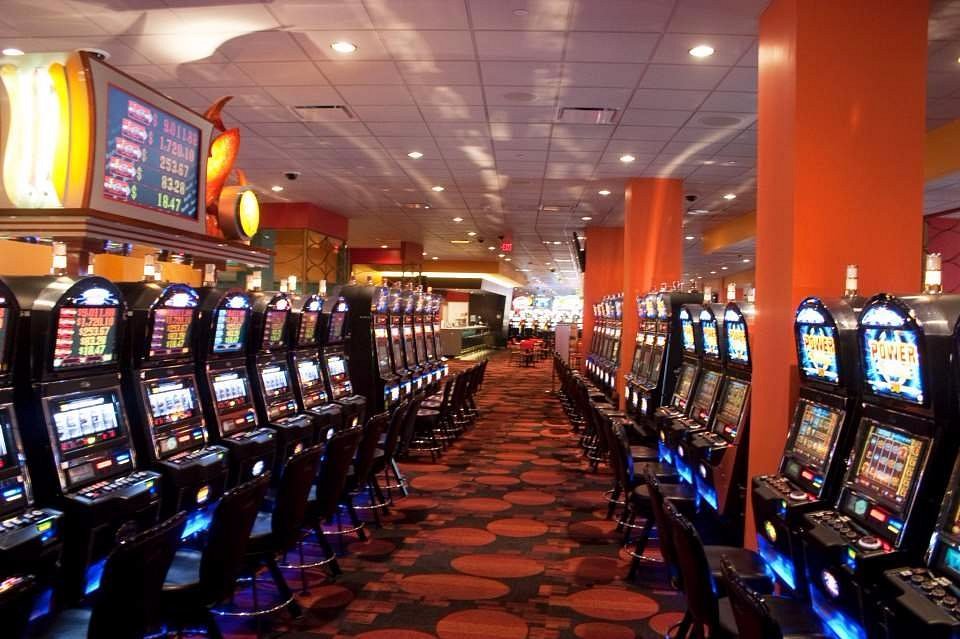
By the 1970s and 1980s, the casino industry expanded beyond Las Vegas, with other states legalizing gambling to boost tourism and generate revenue. Atlantic City became the second major gambling hub in the U.S., offering a different flavor compared to the flashy casinos of Las Vegas. This expansion introduced various gaming options, from slot machines to poker rooms, catering to diverse preferences and making casinos more accessible to a wider audience.
The rise of Indian gaming in the 1980s also played a crucial role in the evolution of casinos. Tribal governments began to establish their gaming establishments, leading to a surge in the number of casinos across the country. This democratization of gaming not only provided economic opportunities for many tribes but also diversified the casino experience, introducing new cultural themes and gaming styles that appealed to a broad range of players.
The Digital Revolution: Online Casinos
The advent of the internet in the late 20th century brought about a seismic shift in the gambling landscape, giving rise to online casinos. The first online gambling sites appeared in the mid-1990s, allowing players to engage in their favorite casino games from the comfort of their homes. This convenience and accessibility attracted a new generation of gamblers, changing the dynamics of the industry forever.
Online casinos quickly evolved to offer a wide array of games, from traditional slots and table games to innovative live dealer experiences. The technological advancements allowed for immersive graphics and seamless gameplay, enhancing user experience. The growth of mobile technology further propelled this trend, making it possible for players to gamble on-the-go through smartphones and tablets, expanding the audience for casino gaming significantly.
As online casinos gained popularity, regulatory frameworks began to emerge to ensure fair play and protect players. Countries and states established licensing systems to regulate online gambling, leading to a safer and more trustworthy gaming environment. This evolution not only legitimized online gambling but also contributed to the growth of the global gaming market, allowing players from different parts of the world to connect and engage in various gaming experiences.

CasinoSpinBet: The Future of Online Gaming
As the casino industry continues to evolve, platforms like CasinoSpinBet have emerged to enhance the online gaming experience. Targeting Australian players, CasinoSpinBet offers a diverse range of games, from classic slots to innovative table games, all designed to maximize entertainment. The website’s commitment to user engagement ensures that players can enjoy a vibrant gaming environment that caters to their preferences.
CasinoSpinBet also emphasizes responsible gaming practices, promoting a fun and safe atmosphere for all players. By offering resources and guidelines for positive gaming, the platform sets itself apart as a trusted destination for online gambling. With regular promotions and an ever-expanding selection of games, CasinoSpinBet aims to provide an engaging experience that reflects the industry’s rich history and dynamic future.
In a rapidly changing landscape, CasinoSpinBet represents a harmonious blend of tradition and modernity, ensuring that players can enjoy the thrill of gaming in a responsible way. As casinos continue to adapt and innovate, platforms like CasinoSpinBet are at the forefront, ushering in a new era of gaming that honors the past while embracing the future.